What if your bad sleep started before breakfast?
The way you begin your morning can quietly shape your body clock, stress hormones, energy dips, and even how easily you fall asleep 14 hours later.
Better sleep at night is not only built in the dark-it is prepared in the light, movement, food, and timing of your morning routine.
These simple morning habits can help train your brain to feel alert during the day and naturally wind down when bedtime arrives.
How Morning Light Exposure Resets Your Circadian Rhythm for Better Sleep
Morning light is one of the strongest signals your brain uses to set your circadian rhythm, the internal clock that controls sleepiness, energy, and melatonin production. When bright natural light hits your eyes early in the day, it tells your body, “daytime has started,” which helps melatonin rise at the right time later at night.
The most practical approach is simple: get outside within 30 to 60 minutes of waking, even if it is cloudy. A 10-minute walk before work, drinking coffee near a sunny window, or taking a phone call outdoors can make this habit easier to repeat.
- Aim for outdoor light rather than relying only on indoor lighting.
- Skip sunglasses for the first few minutes if comfortable and safe.
- Use a light therapy lamp if you wake before sunrise or work night shifts.
For example, someone who struggles with delayed sleep after working late on a laptop may benefit from a consistent morning walk plus dimmer evenings. I’ve seen this work best when paired with a sleep tracker like Oura Ring or Apple Health, because you can spot patterns in sleep timing, wake-ups, and recovery instead of guessing.
If outdoor light is not realistic, a quality light therapy device may help, especially for winter mornings, shift work sleep problems, or mild seasonal sleep disruption. It is not a replacement for medical insomnia treatment, but it can be a useful, low-cost sleep optimization tool when used consistently and early in the day.
The Best Morning Routine Habits to Fall Asleep Faster at Night
A better night’s sleep often starts within the first hour after waking. Morning light, movement, hydration, and caffeine timing all help set your circadian rhythm, which can make it easier to fall asleep faster without relying on sleep aids or expensive insomnia treatment.
Start by getting bright outdoor light for 10-20 minutes as early as possible. If you wake before sunrise or work in a windowless office, a light therapy lamp such as Philips SmartSleep can be useful, especially during winter or for shift workers trying to stabilize their sleep schedule.
- Move early: A brisk walk, stretching, or a short home workout helps raise body temperature in the morning, making the natural evening drop feel stronger later.
- Delay caffeine slightly: Waiting 60-90 minutes before coffee may reduce the afternoon crash that leads to extra caffeine too late in the day.
- Plan stress before it builds: Use a simple app like Todoist to list priorities so your brain is not problem-solving at bedtime.
In real life, the biggest improvement I see is consistency. For example, someone who wakes at 6:30 a.m., walks the dog in daylight, drinks coffee after breakfast, and schedules demanding tasks before lunch often has fewer racing thoughts at night than someone who starts the day in bed scrolling.
Keep the routine realistic. The goal is not a perfect wellness checklist-it is giving your body clear morning signals so nighttime sleep feels more automatic.
Morning Mistakes That Disrupt Sleep Quality and How to Fix Them
One common mistake is waking up at different times every day, especially after a late night. Your circadian rhythm responds better to consistency than “catch-up sleep,” so try to keep your wake-up time within the same 30-60 minute window, even on weekends.
Another issue is checking your phone before getting out of bed. Bright light, emails, and social media notifications can trigger stress hormones too early, which may affect energy, mood, and nighttime sleep quality later. If this sounds familiar, use a sunrise alarm clock or a smart alarm feature in Sleep Cycle instead of reaching for your phone first thing.
- Skipping morning light: Get outdoor light within the first hour of waking, even for 10 minutes.
- Drinking caffeine too late after waking: Wait 60-90 minutes before coffee to avoid an afternoon crash.
- Starting the day sedentary: A short walk helps regulate sleep pressure for the evening.
A real-world example: many office workers wake up, scroll in bed, drink coffee immediately, then sit at a desk for hours. By lunchtime, they feel wired but tired, and by night they struggle to fall asleep despite feeling exhausted.
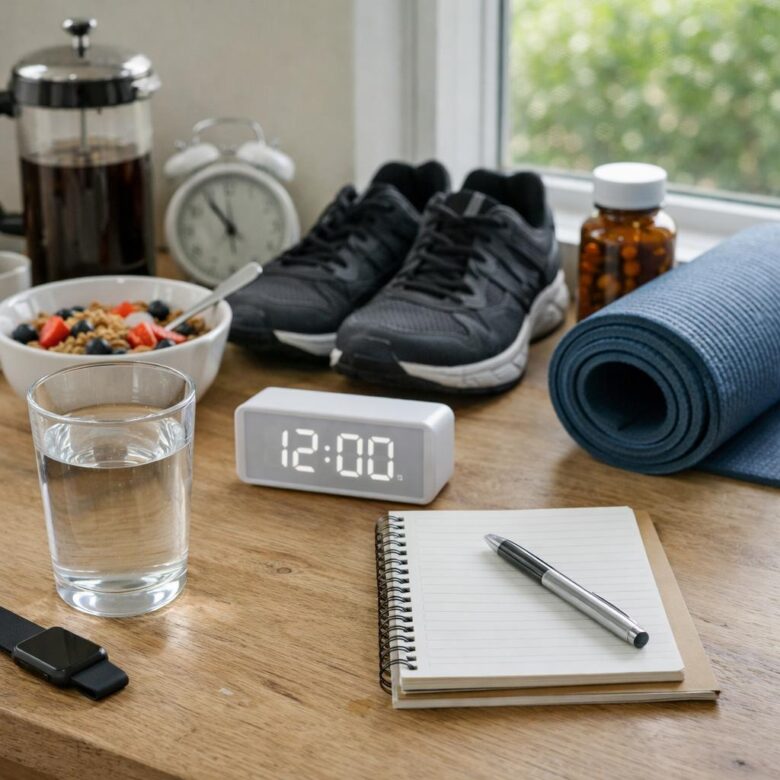
The fix is not complicated. Build a simple morning routine: light exposure, movement, hydration, and delayed caffeine. If sleep problems continue, a wearable sleep tracker or consultation with a sleep clinic can help identify issues such as poor sleep hygiene, insomnia patterns, or possible sleep apnea symptoms.
Closing Recommendations
Better sleep rarely starts at bedtime; it begins with the signals you give your body early in the day. A consistent morning routine helps anchor your internal clock, making it easier to feel alert when you need energy and sleepy when it’s time to rest.
Practical takeaway: choose one or two habits you can repeat daily-such as getting morning light, moving your body, or keeping a steady wake-up time. Start small, track how your nights change, and adjust based on what actually helps you sleep deeper and wake up refreshed.

Dr. Alistair Thorne is a Clinical Neuroscientist and Sleep Health Consultant specializing in the intersection of circadian rhythms and mental resilience. He provides evidence-based guidance on nightly routines and pharmacological education to help individuals achieve peak cognitive performance through restorative sleep.