
Better nights start with understanding your sleep.
Practical, source-based guides on sleep habits, bedtime routines, stress and rest, and the signs that mean it is time to talk to a professional. Written in plain language, checked against public-health and sleep-medicine sources.
Explore by topic
Four areas that cover most of what affects an ordinary night of sleep.
Sleep Education
How much sleep adults need, sleep patterns and why you can wake up tired.
Read the guides →Habits & Routines
Sleep hygiene, evening and morning habits, light, screens, food and your bedroom.
Read the guides →Stress & Sleep
Overthinking, winding down after a hard day and calming a busy mind at night.
Read the guides →Sleep Problems
Common sleep difficulties, warning signs and when to seek professional help.
Read the guides →Latest guides
New and recently reviewed guides by Cole Mendes.
- Morning Habits That Can Improve Your Sleep at Night

Morning light, consistent wake times, and early movement help set your circadian rhythm, making it easier to fall asleep, stay asleep, and wake refreshed the next day.
- Sleep Hygiene Checklist: Simple Rules for Better Rest
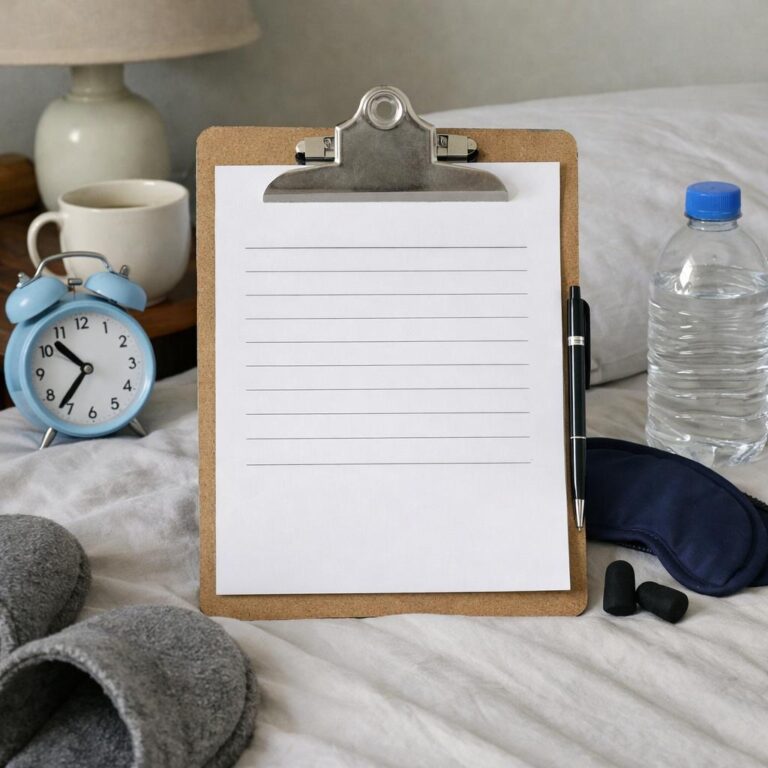
Sleep hygiene starts with a steady schedule, a cool dark room, limited caffeine, and screen-free wind-down time to support deeper, more consistent rest.
- Best Evening Habits to Improve Sleep Quality Naturally
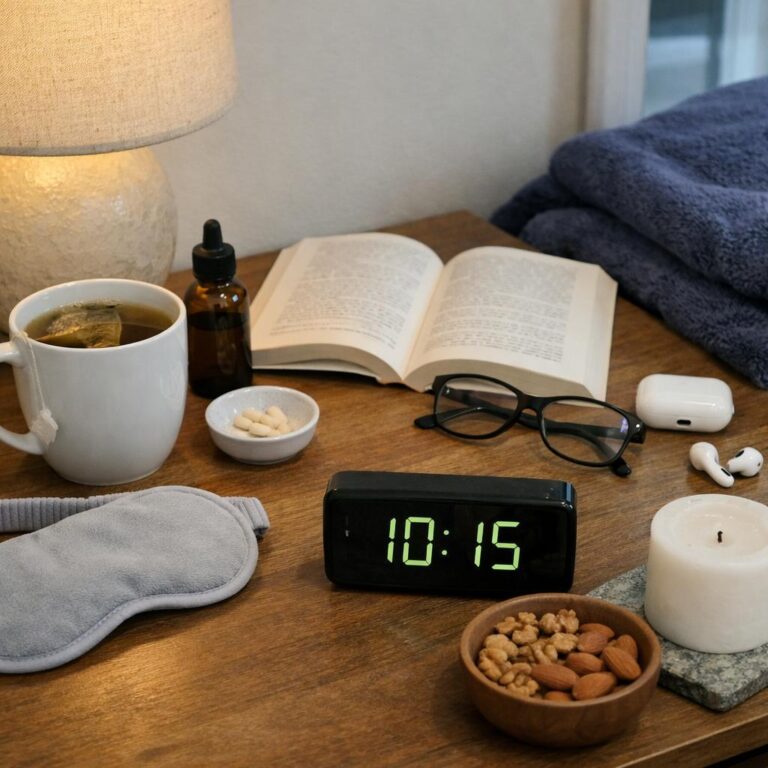
Improve sleep naturally: keep a consistent bedtime, dim lights, avoid late caffeine, and unwind with reading or gentle stretching to prepare for deeper rest.
- How Much Sleep Do Adults Really Need to Feel Rested
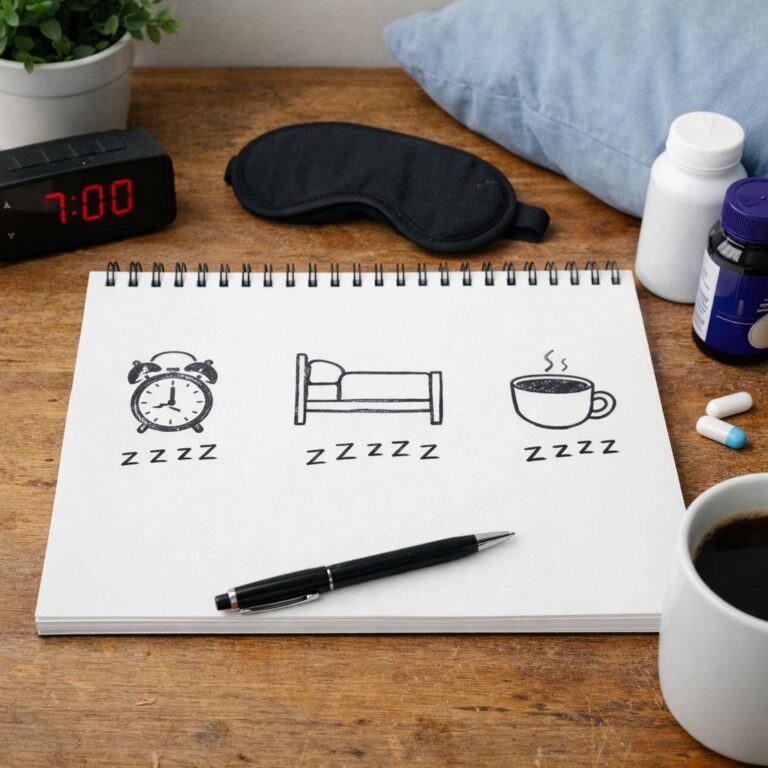
Most adults feel rested with 7-9 hours of quality sleep nightly. Consistent timing, minimal awakenings, and daytime alertness matter as much as the number.
- Simple Ways to Relax Your Mind Before Going to Bed

Ease into sleep by dimming lights, silencing screens, and practicing slow breathing. A brief journal note can clear worries and help your mind settle.
- How Food, Light, and Screen Time Can Affect Your Sleep

Food, light, and screen time shape your circadian rhythm: late meals may disrupt digestion, bright light delays melatonin, and evening screens can reduce sleep quality.
When should you be in bed?
Health organizations such as the CDC and the American Academy of Sleep Medicine recommend at least 7 hours of sleep for most adults. Enter the time you need to wake up and see three bedtimes that give you 7, 8 or 9 hours in bed, plus about 15 minutes to fall asleep.
Want to know your personal number? Read how much sleep adults really need.
A planning aid, not a medical tool. Persistent trouble sleeping deserves a conversation with a healthcare professional.
How we prepare every guide
Trazodone Insights is an independent educational website researched and written by Cole Mendes.
- 1Reliable sources firstPublic-health agencies, sleep-medicine organizations and peer-reviewed research, cited inside the text.
- 2Reviewed and updatedArticles are revisited and dated when information changes. See our Editorial Policy.
- 3Corrections welcomeSpotted an error? Tell us and we will review it.
Educational information, not medical advice
Our content explains general sleep and wellness topics. It does not replace diagnosis or treatment from a qualified professional, and we do not sell or recommend medications.
If sleep problems last for weeks, affect your daytime safety, or involve loud snoring or breathing pauses, talk to a doctor. Read the full Disclaimer.