
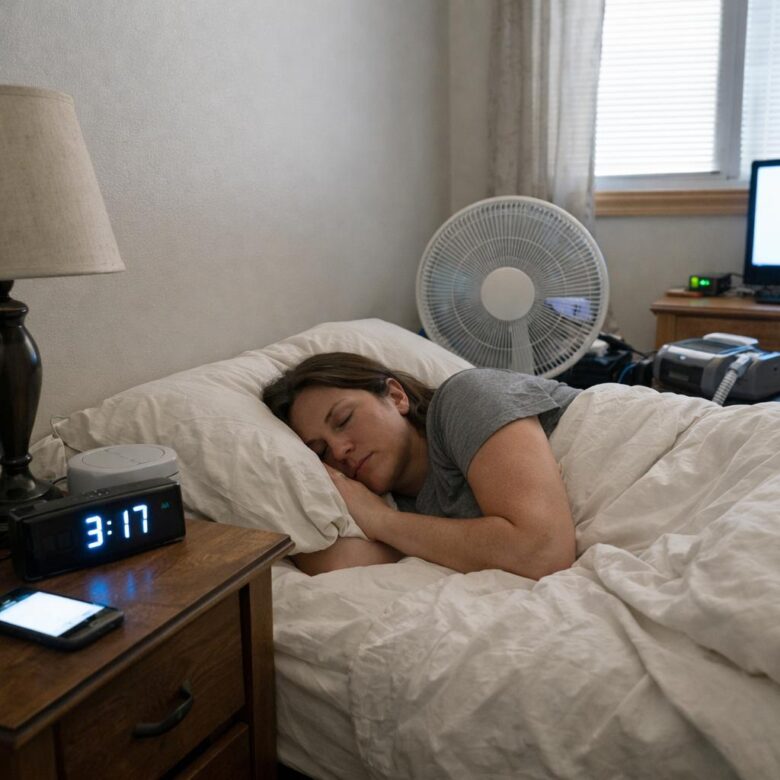
Your bedroom shapes sleep quality nightly: cool air, low noise, darkness, and a supportive mattress help you fall asleep faster and wake restored.
Month: May 2026

Reduce bedtime overthinking by writing worries in a notebook, setting a clear “think time” earlier, and using slow breathing to signal safety and rest.

Waking up tired after a full night may signal fragmented sleep, stress, sleep apnea, poor sleep timing, or alcohol and caffeine disrupting deep, restorative rest.

Stress raises cortisol, keeping the brain alert and delaying deep sleep. Wind down with a consistent bedtime, dim light, breathing exercises, and reduced late caffeine.

Daily mental wellness improves with small habits: consistent sleep, mindful breathing, movement, and brief reflection to steady mood and build resilience.

Build a steady night routine: dim lights, limit screens, prep tomorrow, and choose a calming habit like reading or breathing to signal your body it’s time for deeper sleep.

After a demanding day, calm your mind with slow breathing, dim light, and a brief screen-free routine. Consistency helps signal safety and supports deeper rest.