What if your sleep problem starts hours before your head hits the pillow?
For many people, poor sleep isn’t caused by the night itself-it’s the result of evening habits that keep the brain alert, stress hormones elevated, and the body out of rhythm.
The good news: you don’t need extreme routines or sleep supplements to rest better. Small, consistent changes after sunset can help your body wind down naturally and improve the depth, timing, and quality of your sleep.
In this guide, you’ll learn the best evening habits to support better sleep naturally-practical steps you can start using tonight.
Why Evening Habits Affect Sleep Quality and Your Natural Circadian Rhythm
Your evening routine sends signals to your brain about whether it should stay alert or prepare for deep sleep. Light exposure, meal timing, stress, alcohol, and screen use can all shift your natural circadian rhythm, which is the internal clock that controls sleep hormones, body temperature, and morning energy.
For example, checking emails in bed may feel harmless, but the combination of blue light and work-related stress can delay melatonin release and make it harder to fall asleep. Many people notice this on Sunday nights when a “quick look” at work messages turns into racing thoughts and poor sleep quality.
Small changes can make your sleep environment more consistent and easier to manage:
- Dim lights 60-90 minutes before bed to support natural melatonin production.
- Use a sleep tracker like Oura Ring or a smartwatch to identify patterns in bedtime, wake-ups, and recovery.
- Set a phone cutoff time or use blue light blocking glasses if screens are unavoidable.
Evening habits also affect sleep efficiency, not just how fast you fall asleep. A heavy late dinner, intense workout, or extra glass of wine can raise heart rate and body temperature, reducing restorative sleep even if you spend eight hours in bed.
The goal is not to create a perfect routine, but a predictable one. When your body gets the same cues each night, your circadian rhythm becomes more stable, making natural sleep improvement easier without relying immediately on expensive sleep aids or supplements.
How to Build a Calming Nighttime Routine for Deeper, More Restorative Sleep
A strong nighttime routine works best when it feels repeatable, not complicated. Start by choosing a fixed “wind-down window” 30-60 minutes before bed, then treat it like an appointment with your nervous system. In real life, the people who stick with this usually keep the routine simple enough to do even after a long workday.
Begin by lowering stimulation: dim the lights, stop checking work emails, and put your phone on sleep mode. Tools like Apple Health, Calm, or a sleep tracker can help you notice patterns, such as whether late caffeine, screen time, or room temperature is affecting your sleep quality. If you use smart home devices, schedule warm lighting and a cooler bedroom temperature automatically.
- 10 minutes: tidy your sleep space, set out tomorrow’s clothes, and reduce mental clutter.
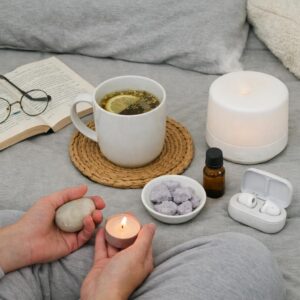
- 10 minutes: stretch lightly, read a physical book, or use guided breathing.
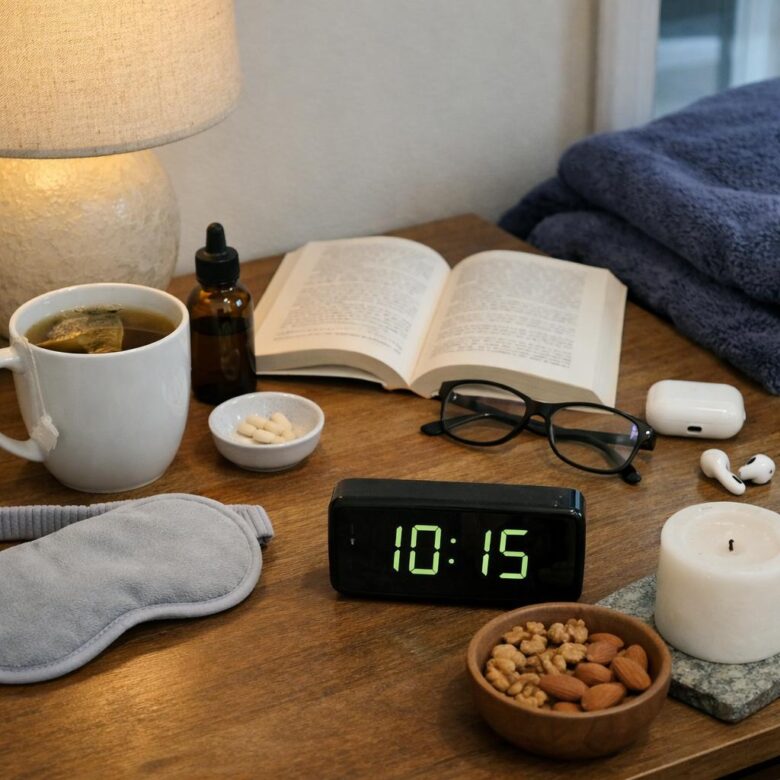
- 10 minutes: use calming sleep tools such as a white noise machine, eye mask, or weighted blanket if they fit your budget.
One practical example: if you often wake up at 2 a.m. thinking about tasks, keep a notebook beside the bed and write a short “tomorrow list” before sleeping. This small habit can be more effective than scrolling through productivity apps at night.
Also consider the sleep environment: a supportive mattress, breathable bedding, blackout curtains, or an air purifier can improve comfort and reduce nighttime disruptions. You do not need expensive sleep technology, but investing in the right device or service makes sense when it solves a specific sleep problem.
Common Evening Mistakes That Disrupt Sleep and How to Fix Them Naturally
One of the biggest evening mistakes is treating “relaxing” screen time as harmless. Scrolling in bed keeps the brain alert, and the blue light can delay melatonin release, especially if you are checking emails, finances, or social media. A better fix is to set a phone cutoff 45-60 minutes before bed and use tools like Apple Screen Time or Android Digital Wellbeing to block high-stimulation apps.
Another common issue is eating too late or choosing heavy, spicy, or sugary foods at night. In real life, I often see people blame insomnia when the real trigger is a large dinner at 9:30 p.m. followed by dessert. Keep late snacks simple: Greek yogurt, a banana, oatmeal, or herbal tea can be easier on digestion and more sleep-friendly.
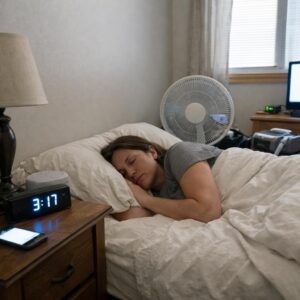
- Mistake: Keeping the bedroom too warm. Fix: Use a smart thermostat or fan to create a cooler sleep environment.
- Mistake: Drinking alcohol to “wind down.” Fix: Switch to magnesium-rich foods or caffeine-free tea instead.
- Mistake: Working from bed. Fix: Keep the bed associated with sleep, not stress or productivity.
Noise and light are also underrated sleep disruptors. If you live near traffic or share a home, a white noise machine, blackout curtains, or a sleep mask may offer better value than expensive sleep supplements. For deeper insight, a sleep tracker like Oura Ring can help you spot patterns without guessing.
Key Takeaways & Next Steps
Better sleep begins with repeatable choices, not perfect routines. Choose evening habits that feel realistic, calming, and easy to maintain, then practice them consistently enough for your body to recognize the pattern.
- Start with one or two changes rather than overhauling your entire night.
- Prioritize habits that reduce stimulation and support relaxation.
- Adjust your routine based on how you feel the next morning.
If a habit helps you fall asleep easier, wake up clearer, and feel more restored, keep it. If it adds stress, simplify it.

Dr. Alistair Thorne is a Clinical Neuroscientist and Sleep Health Consultant specializing in the intersection of circadian rhythms and mental resilience. He provides evidence-based guidance on nightly routines and pharmacological education to help individuals achieve peak cognitive performance through restorative sleep.