
Morning Habits That Can Improve Your Sleep at Night
Morning light, consistent wake times, and early movement help set your circadian rhythm, making it easier to fall asleep, stay asleep, and wake refreshed the next day.
Trazodone Insights
Trazodone Insights publishes practical educational guides about sleep habits, healthy routines, rest, stress-related sleep challenges, sleep environments, and common questions about getting better-quality sleep.
Our goal is to help readers understand everyday sleep patterns, make sense of common concerns, prepare better questions, and recognize when professional evaluation may be appropriate. The information on this website is educational and does not replace individualized medical care.
See how information is prepared in our Editorial Policy and Research Methodology.

Morning light, consistent wake times, and early movement help set your circadian rhythm, making it easier to fall asleep, stay asleep, and wake refreshed the next day.
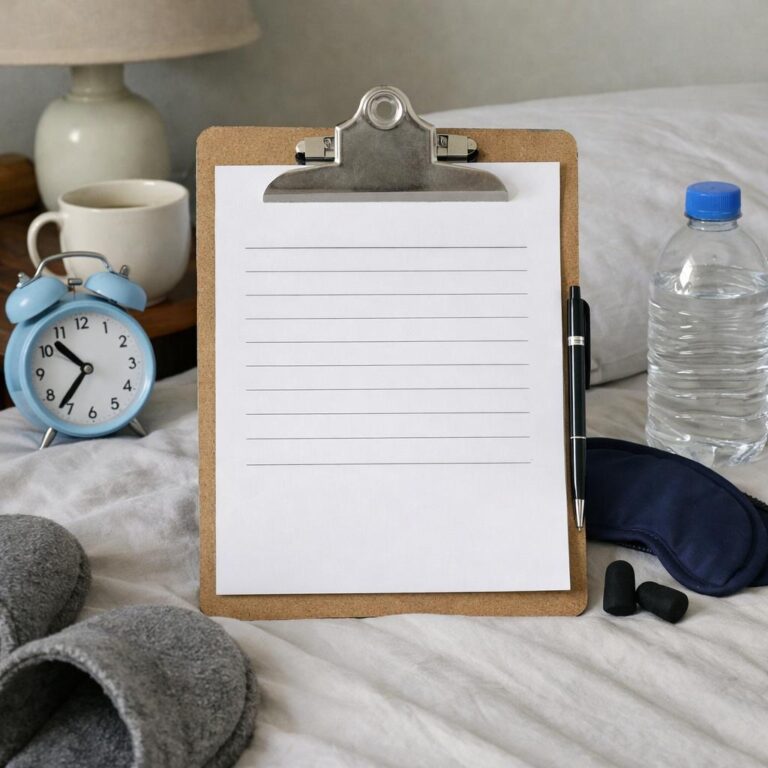
Sleep hygiene starts with a steady schedule, a cool dark room, limited caffeine, and screen-free wind-down time to support deeper, more consistent rest.
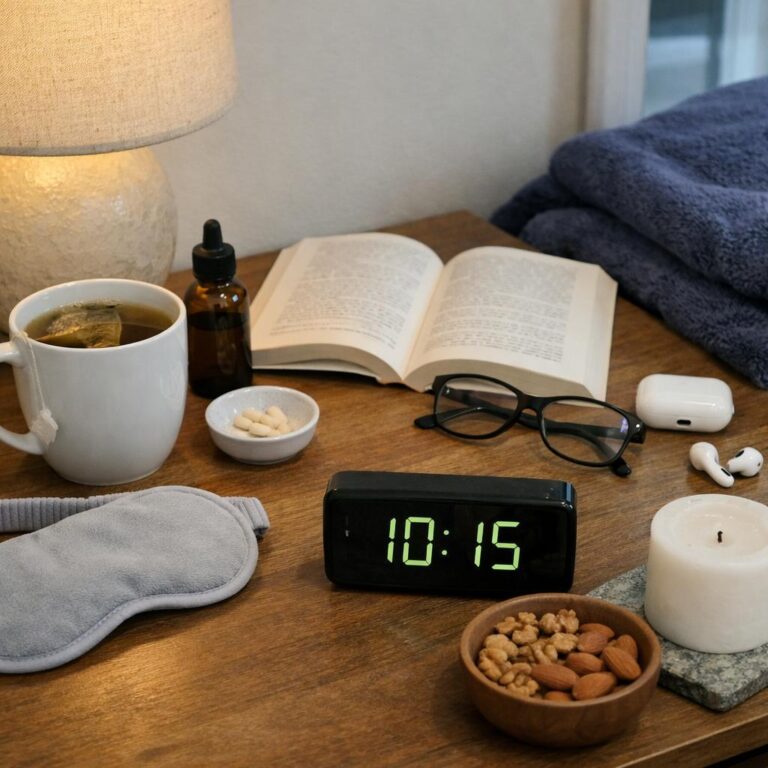
Improve sleep naturally: keep a consistent bedtime, dim lights, avoid late caffeine, and unwind with reading or gentle stretching to prepare for deeper rest.
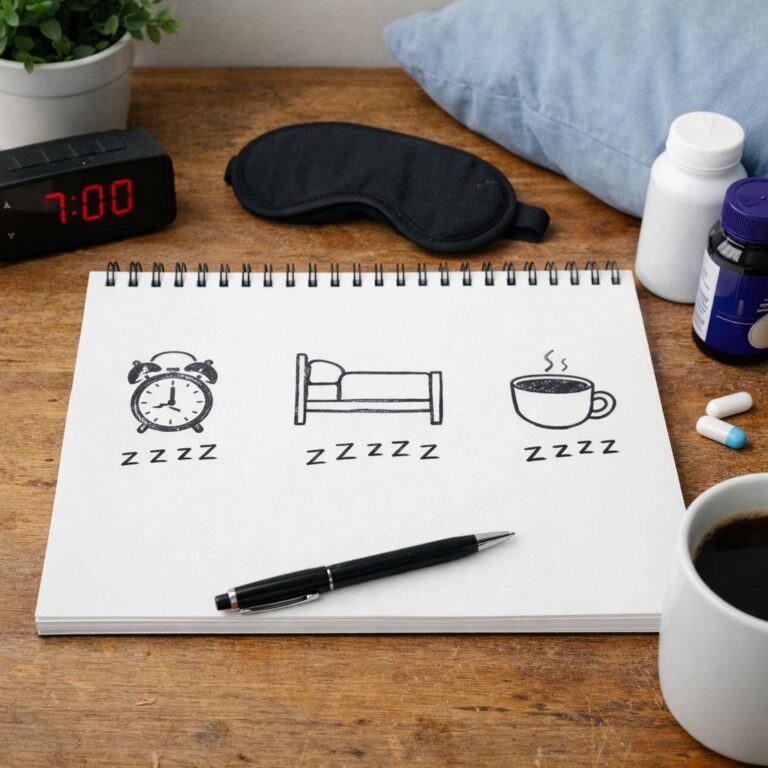
Most adults feel rested with 7-9 hours of quality sleep nightly. Consistent timing, minimal awakenings, and daytime alertness matter as much as the number.

Ease into sleep by dimming lights, silencing screens, and practicing slow breathing. A brief journal note can clear worries and help your mind settle.

Food, light, and screen time shape your circadian rhythm: late meals may disrupt digestion, bright light delays melatonin, and evening screens can reduce sleep quality.

Sleep problems such as insomnia, snoring, restless legs, or daytime fatigue warrant medical advice when they persist for weeks, impair function, or involve breathing pauses.

Warning signs include frequent night waking, morning fatigue, reliance on caffeine, late screen use, and irregular bedtimes-habits that can quietly reduce sleep depth and recovery.
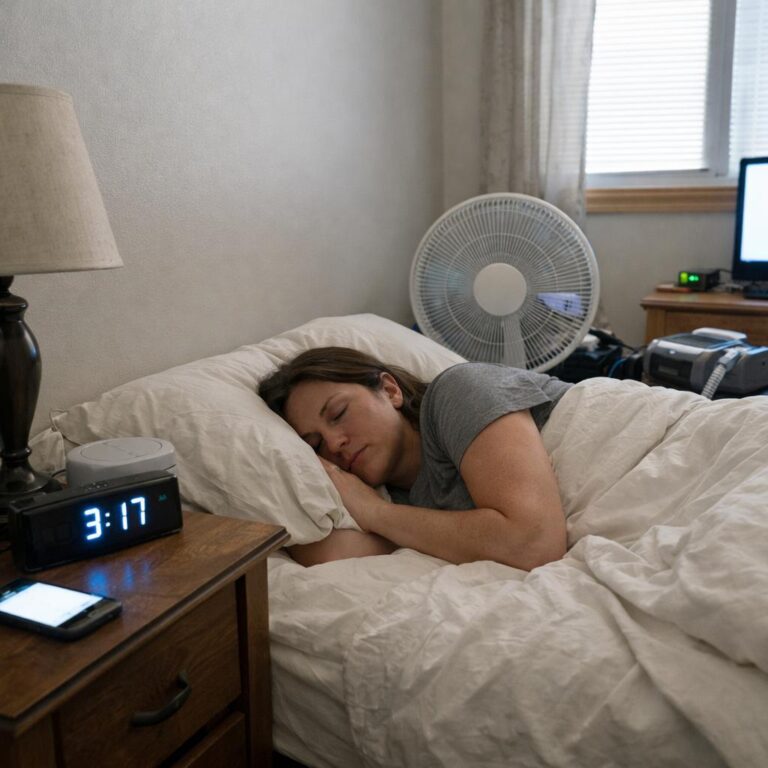
Your bedroom shapes sleep quality nightly: cool air, low noise, darkness, and a supportive mattress help you fall asleep faster and wake restored.
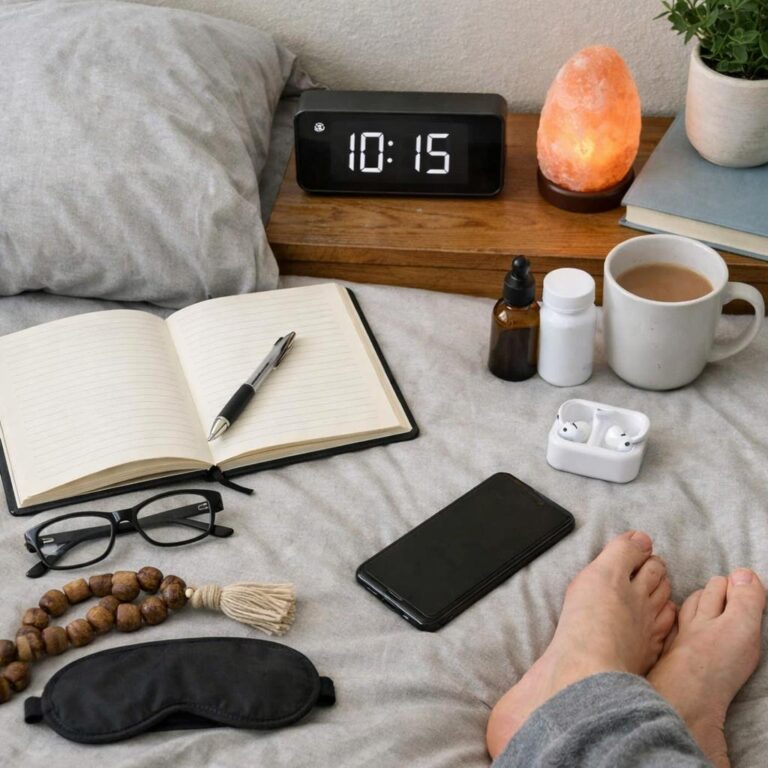
Reduce bedtime overthinking by writing worries in a notebook, setting a clear “think time” earlier, and using slow breathing to signal safety and rest.