

Morning light, consistent wake times, and early movement help set your circadian rhythm, making it easier to fall asleep, stay asleep, and wake refreshed the next day.

Sleep hygiene starts with a steady schedule, a cool dark room, limited caffeine, and screen-free wind-down time to support deeper, more consistent rest.
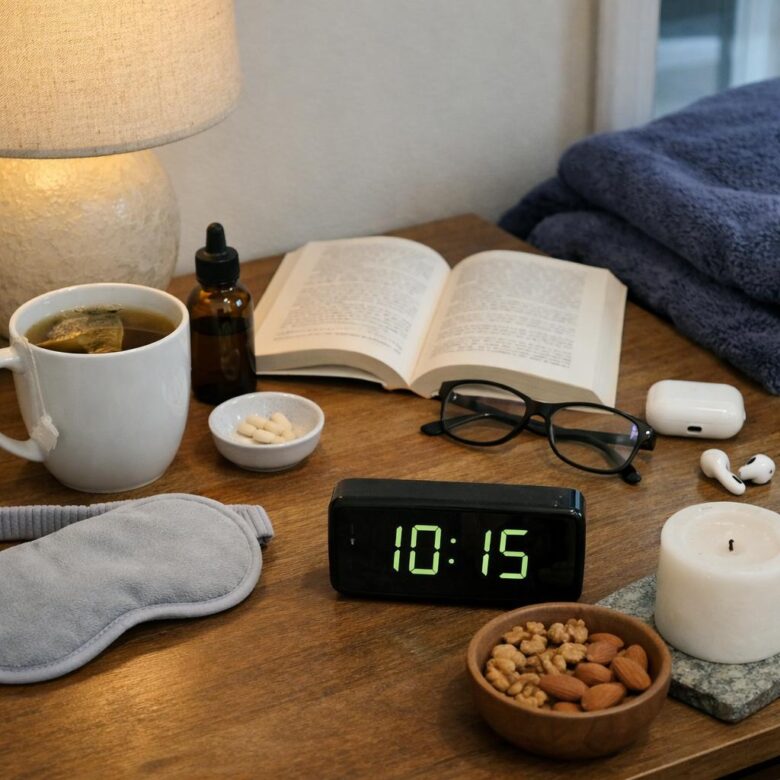
Improve sleep naturally: keep a consistent bedtime, dim lights, avoid late caffeine, and unwind with reading or gentle stretching to prepare for deeper rest.

Food, light, and screen time shape your circadian rhythm: late meals may disrupt digestion, bright light delays melatonin, and evening screens can reduce sleep quality.

Warning signs include frequent night waking, morning fatigue, reliance on caffeine, late screen use, and irregular bedtimes-habits that can quietly reduce sleep depth and recovery.
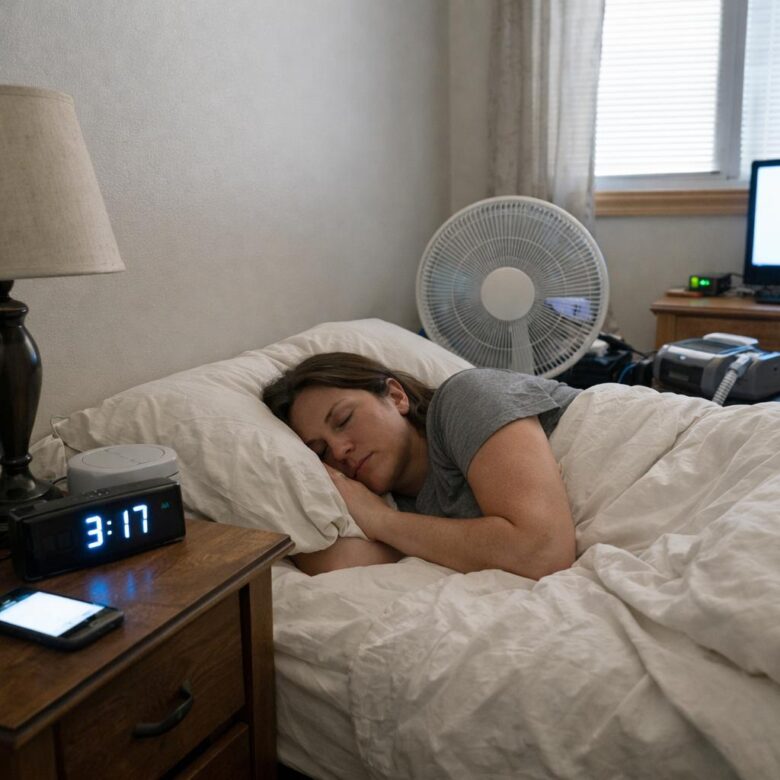
Your bedroom shapes sleep quality nightly: cool air, low noise, darkness, and a supportive mattress help you fall asleep faster and wake restored.
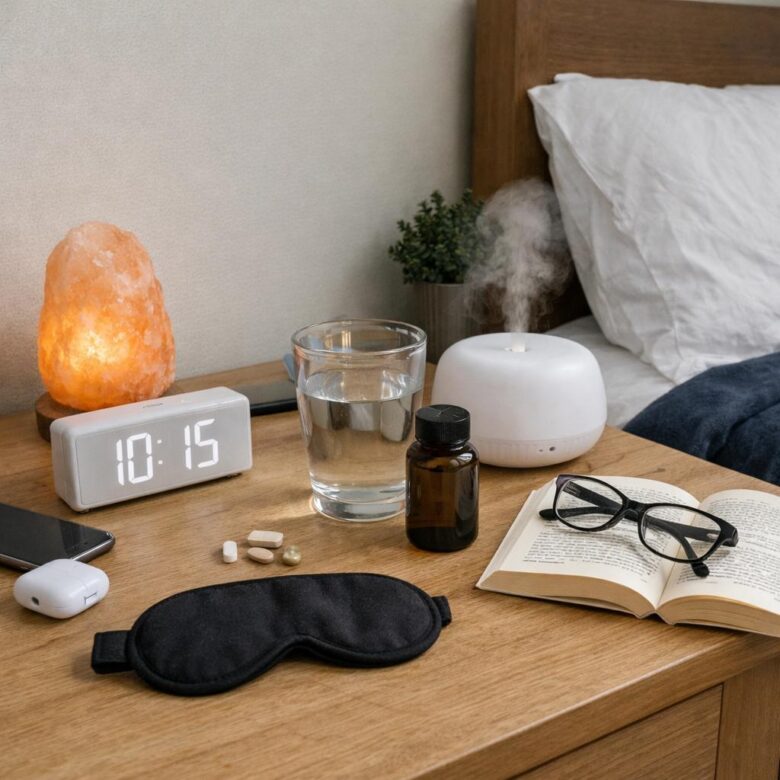
Build a steady night routine: dim lights, limit screens, prep tomorrow, and choose a calming habit like reading or breathing to signal your body it’s time for deeper sleep.